ÖBB Rail Cargo Group tests Digital Automatic Coupling (DAC)
- Winter tests confirm high robustness
- Demo train provides valuable insights for Europe-wide deployment
- ÖBB drives forward transformation of European rail freight transport
(Vienna, 6 March 2026) – The Digital Automatic Coupling (DAC) is considered a key technology for the future of European rail freight transport. It replaces the manual screw coupling used since the imperial era and automates the previously physically demanding and time-consuming coupling process.
In addition, it not only connects freight wagons mechanically and pneumatically (via compressed air lines for the brakes), but also provides continuous power and data lines. ÖBB Rail Cargo Group (RCG) is playing an active role in the development of the DAC as part of the FP5-TRANS4M project run by Europe’s Rail Joint Undertaking: with the DAC demo train, the system surrounding the DAC is being tested under real operating conditions, further developed and prepared for series production. Current winter tests in Austria show that the technology also proves itself under extreme conditions.
Demo train ready for practical testing
After intensive technical preparations and the integration of coupling systems from different manufacturers, the DAC demo train was put into operation to test the interaction of mechanics, electrics and data transmission under real conditions and to check whether the systems work together across manufacturers. The aim is not only to make the automatic coupling mechanically and pneumatically reliable, but also to ensure digital data and energy transmission along the entire freight train.
In this way, the DAC is laying the foundation for automated brake tests and, in the future, for other digital applications. It is thus a central component for greater efficiency, competitiveness and safety in European rail freight transport.
Winter endurance tests
During a three-week test phase, the DAC demo train was deliberately exposed to extreme weather conditions. Temperatures of up to minus 15 degrees Celsius, freezing rain and fresh snow accompanied the tests at Schwarzach-St. Veit station in Salzburg's Pongau region. The focus was on repeated mechanical coupling operations, electrical uncoupling at the touch of a button and the functionality of the air and data connections – essential for safe braking and stable data transmission. Particular attention was paid to the possible effects of cold weather, snow and ice on lubricants, seals and electrical contacts.
In addition, the train was parked in Böckstein for ten days under realistic conditions to simulate longer idle periods typical in rail freight operations. Snow was deliberately allowed to penetrate all relevant components in order to identify potential weak points.
Positive interim results
The aim of the initial tests with the demo train was to identify potential weak points at an early stage and remedy them consistently. The preliminary results of the winter tests are thoroughly positive: the systems tested demonstrated a high level of reliability and robustness, even under demanding winter conditions. Bettina Castillo, CEO of ÖBB Rail Cargo Group, sees the tests as an important milestone: ‘The tests provide valuable insights for the further development of the technology and confirm that we are on the right track towards a Europe-wide standardised Digital Automatic Coupling. Each individual test series brings us a decisive step closer to a practical and robust solution for European rail freight transport. Close cooperation across Europe and joint implementation of this key technology are crucial to achieving success.’
DAC as a European project for the future
The introduction of the Digital Automatic Coupling is one of the largest innovation projects in European rail freight transport. It is a prerequisite for the comprehensive digitalisation and automation of the rail system and thus for a sustainable shift of transport to climate-friendly rail. ÖBB is actively contributing its operational expertise to European development, taking a leading role as a driver of transformation in rail freight transport.
Disclaimer: Funded by the European Union. Views and opinions expressed are however those of the author(s) only and do not necessarily reflect those of the European Union or the Europe’s Rail Joint Undertaking. Neither the European Union nor the granting authority can be held responsible for them. The project is supported by the Europe’s Rail Joint Undertaking and its members.
Rail Cargo Group: the freight transport division of the ÖBB
As a leading rail logistics provider in Europe, we are shaping the industry. 365 days a year – 24 hours a day. Across Europe and beyond into Asia. With our presence in 18 countries – and our own traction in 14 of them – we connect people, businesses and markets from the first to the last mile. It’s thanks to our 6,014 logistics professionals that 418,114 trains a year, respectively 1,150 a day, reach their destinations safe and sound. With our efficient end-to-end logistics services, we transport 79.9 million net tonnes of freight each year.
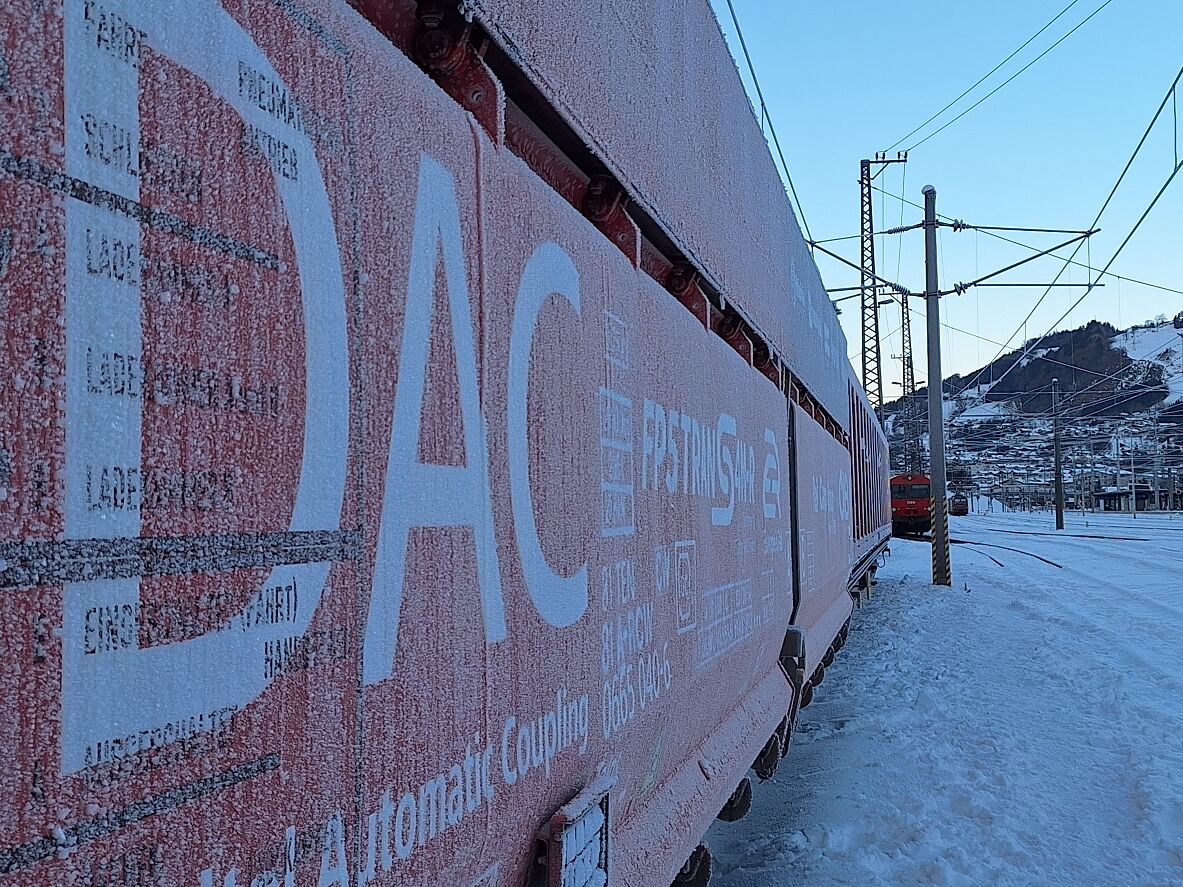
DAK_demo train
DAC demo train
©
RCG
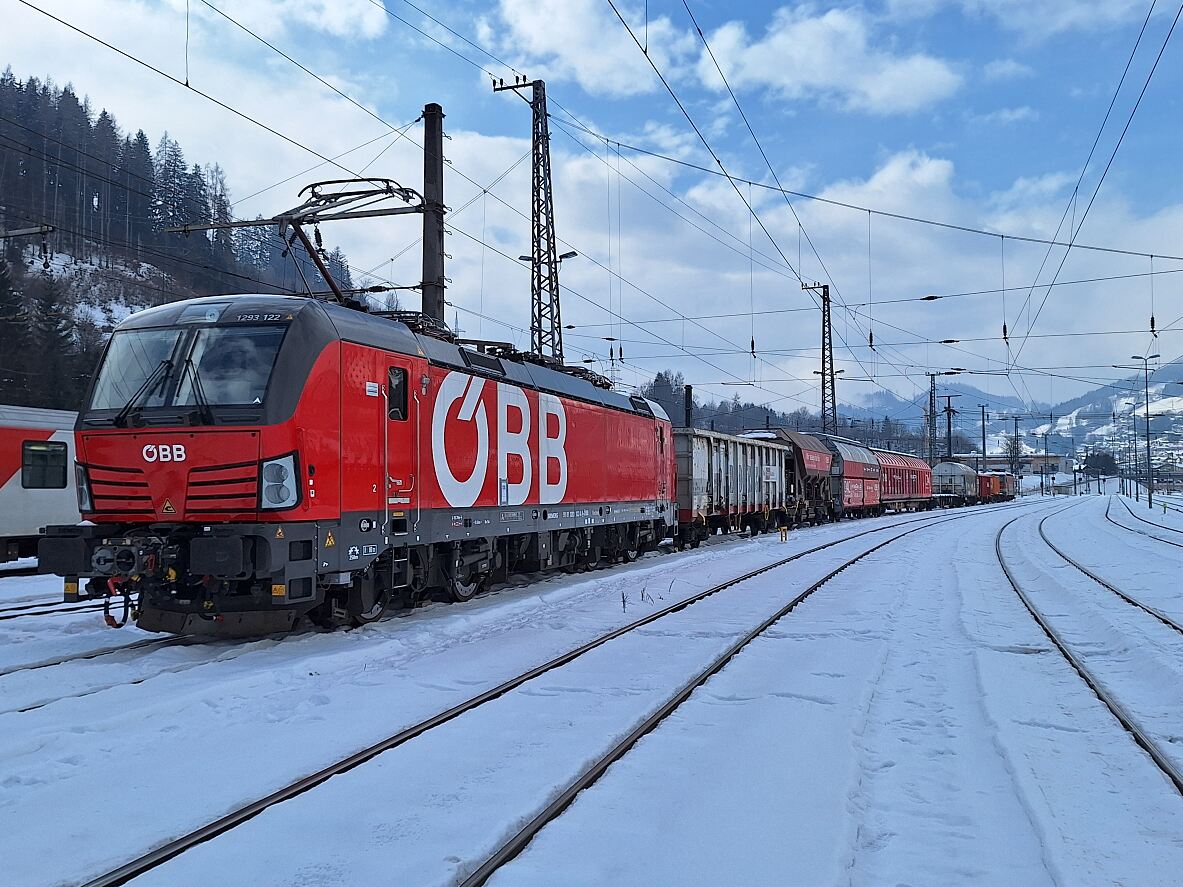
DAK_demo train_2
Deep winter temperatures of up to minus 15 degrees during winter testing of the ÖBB DAC demo train.
©
RCG
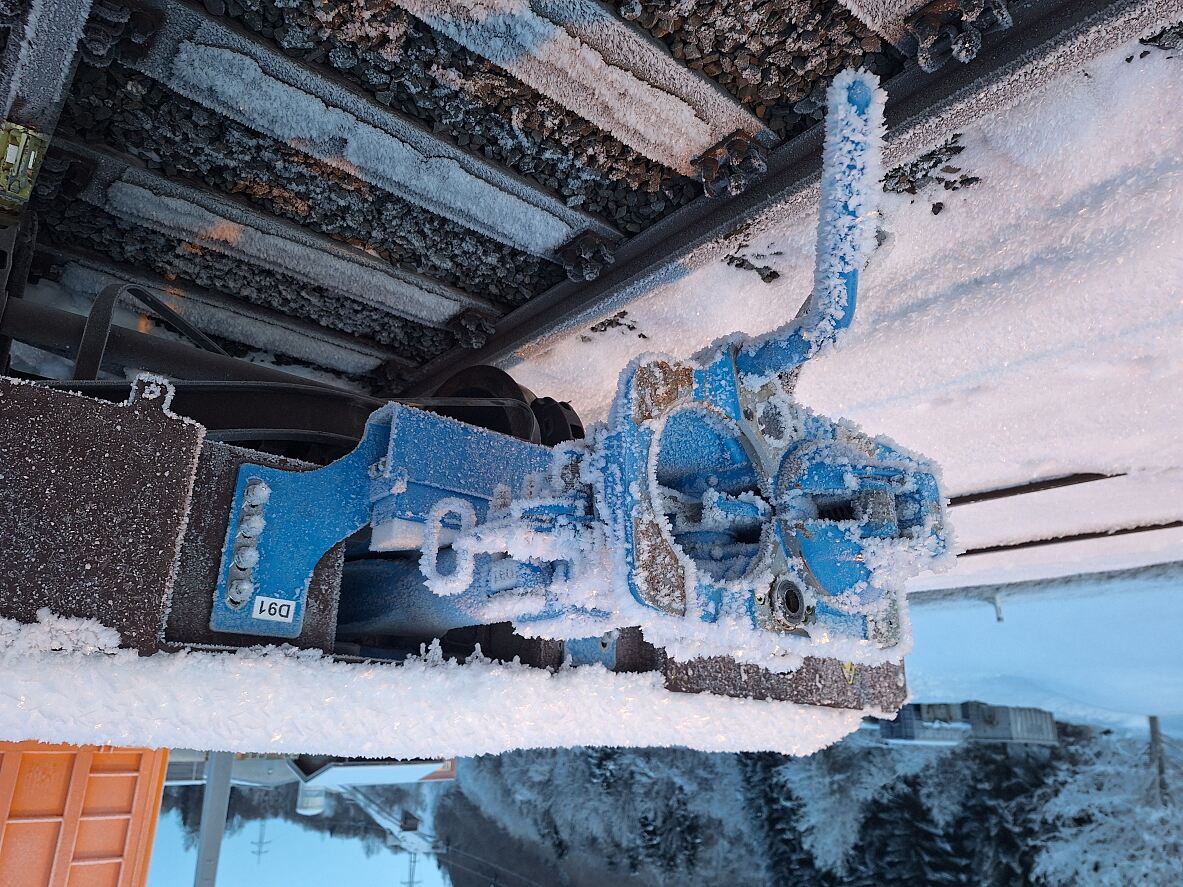
DAK_ice crystals
Ice crystals form on a DAC from the manufacturer Dellner.
©
RCG
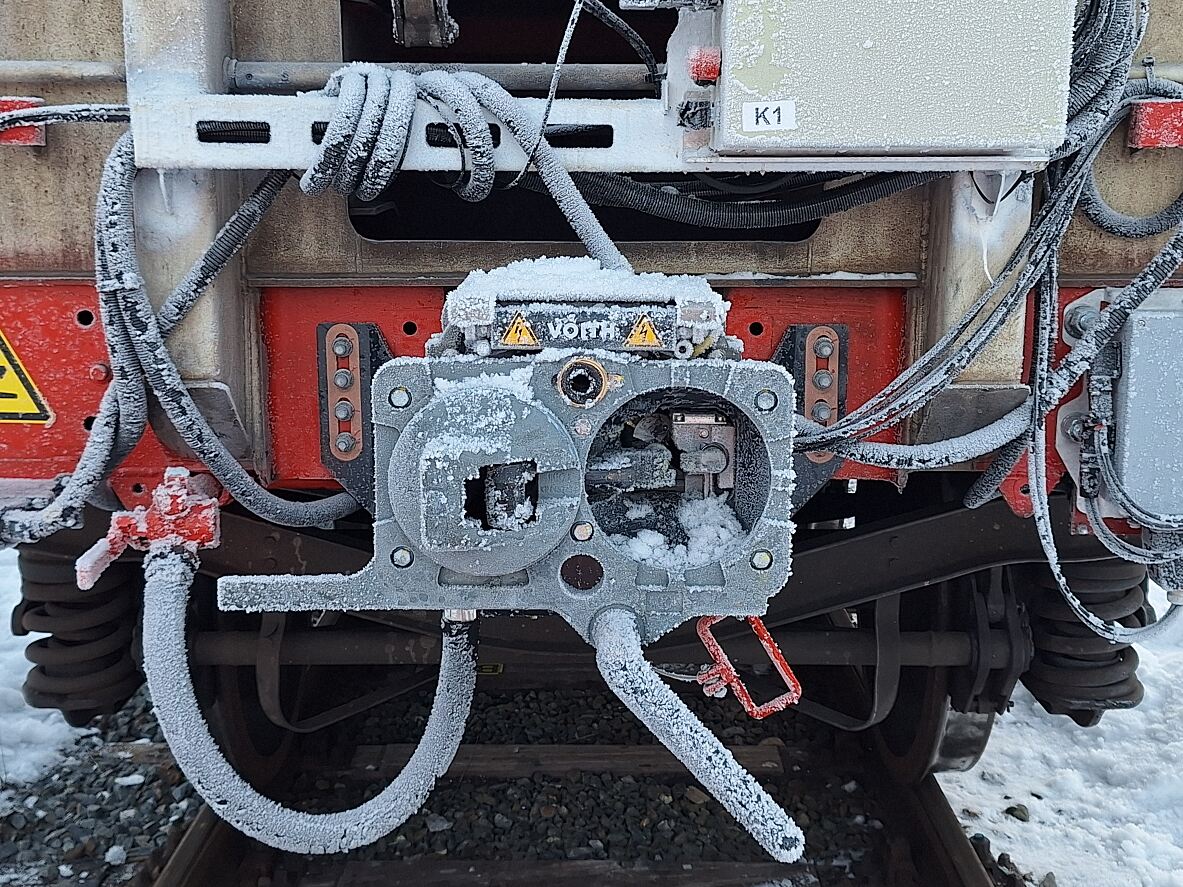
DAK_ice crystals_2
Ice-covered DAC from the manufacturer Voith.
©
RCG
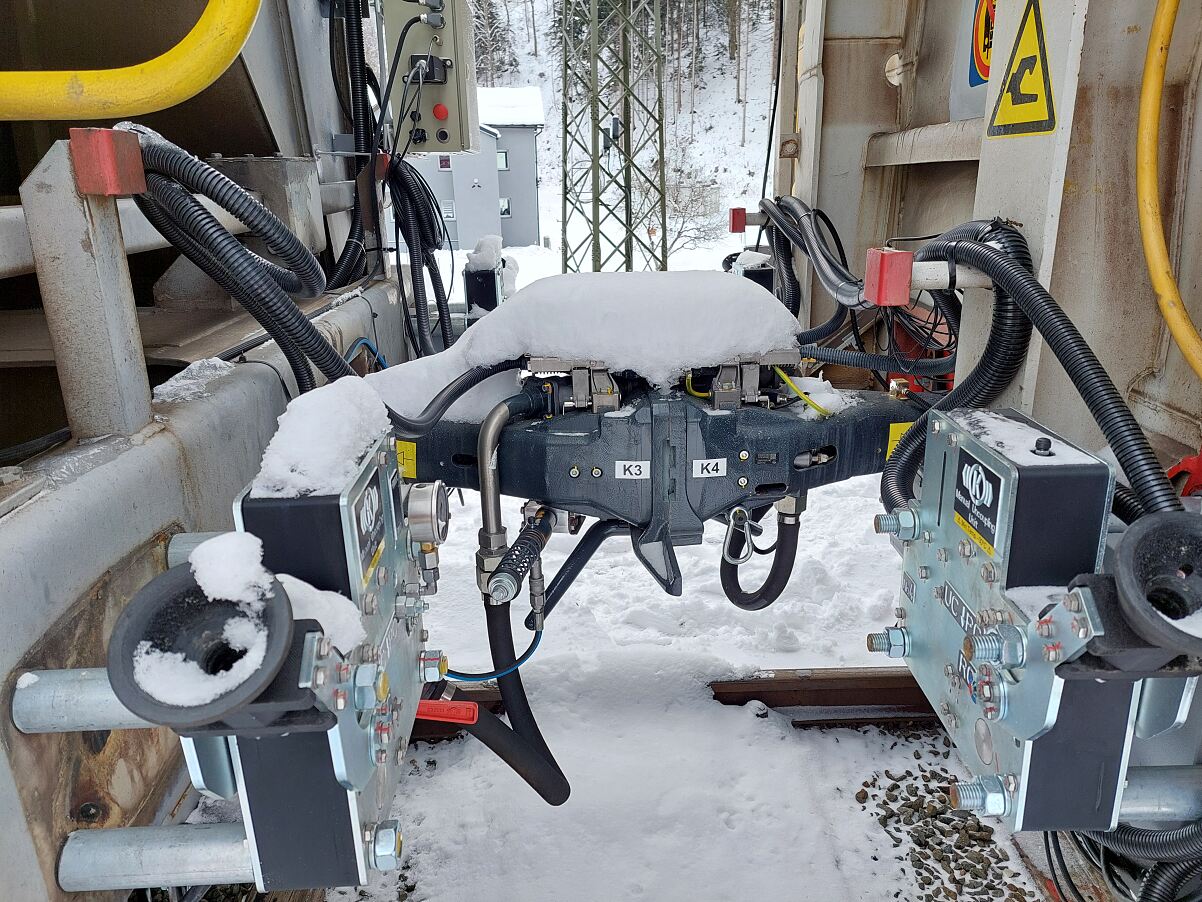
DAK_snow
Snow-covered DAC from the manufacturer Knorr-Bremse.
©
RCG
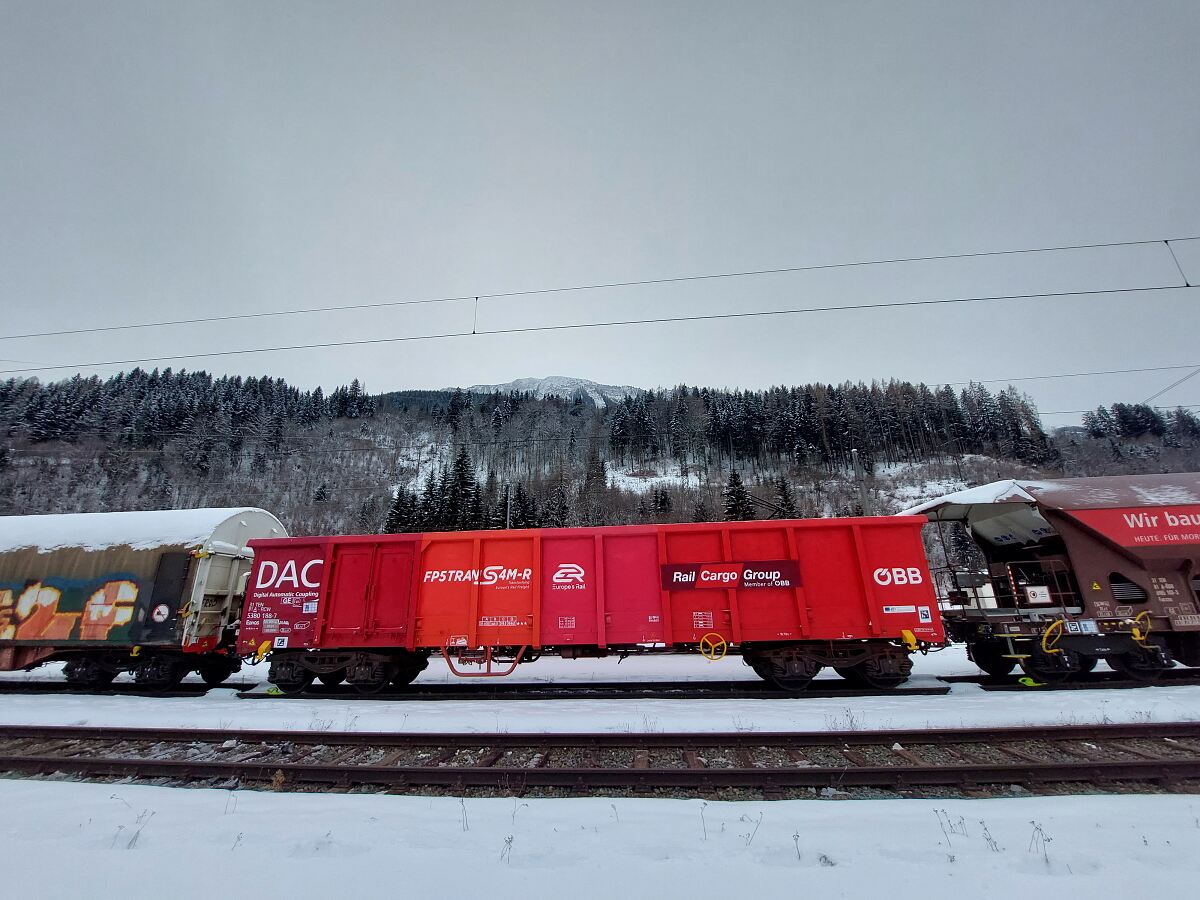
Eanos_freight wagon
Open Eanos freight wagon from the ÖBB DAC demo train.
©
RCG
ÖBB. Today. Tomorrow. Together.
ÖBB has been shaping mobility for over 100 years. As a comprehensive mobility and logistics service provider, ÖBB transported 559 million passengers and around 79 million tonnes of goods to their destinations in 2025. This is because 100% of the electrical power for ÖBB trains and stations comes from renewable energy. With 94.1 percent punctuality in passenger transport in 2025, ÖBB is one of the most punctual railways in Europe. With capital expenditure of around four billion euros annually in the railway infrastructure and fleet (2027-32 framework plan), ÖBB is building the railway system of the future. Across the Group, more than 48,000 bus and rail employees and around 2,145 apprentices ensure that more than 1.5 million passengers reach their destinations safely every day. ÖBB is the backbone of public transport and brings people and goods to their destinations reliably. ÖBB-Holding AG is the Group's strategice management company.